Most “best app design” lists are screenshots of concept work that never shipped. This one is different: every app here is live on the App Store, and every design opinion comes with the app’s estimated revenue next to it, pulled from our library of 2,600+ revenue-verified apps. Design is a business decision; here are ten apps where you can see it paying off.
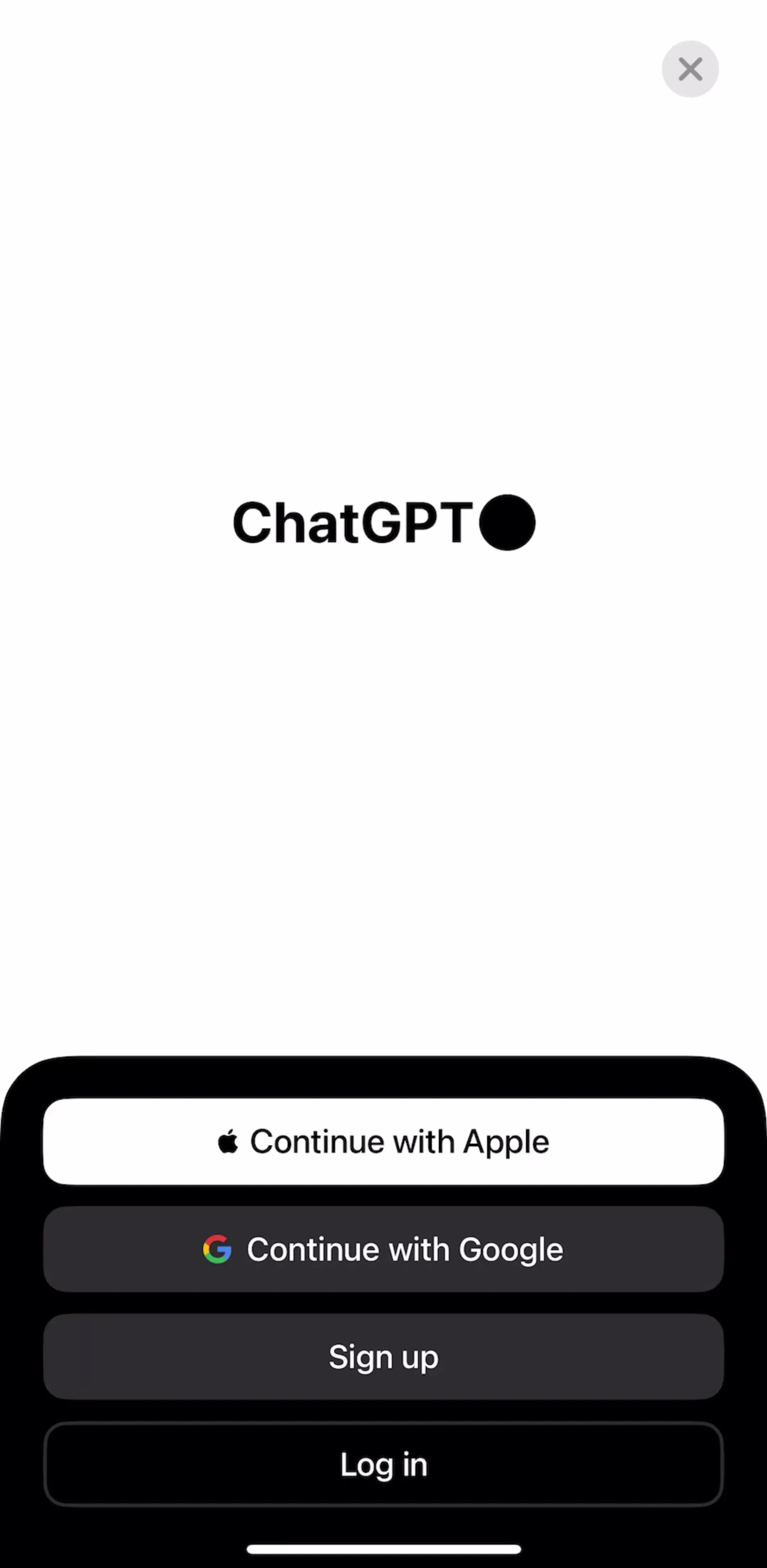
ChatGPT (est. $267M/mo) is a text field, a history drawer, and almost nothing else. The discipline is the design: no gradients, no gamification, no feature shelf. When your core interaction is this strong, chrome is a tax. Study its home screens for how far “nothing extra” can go.
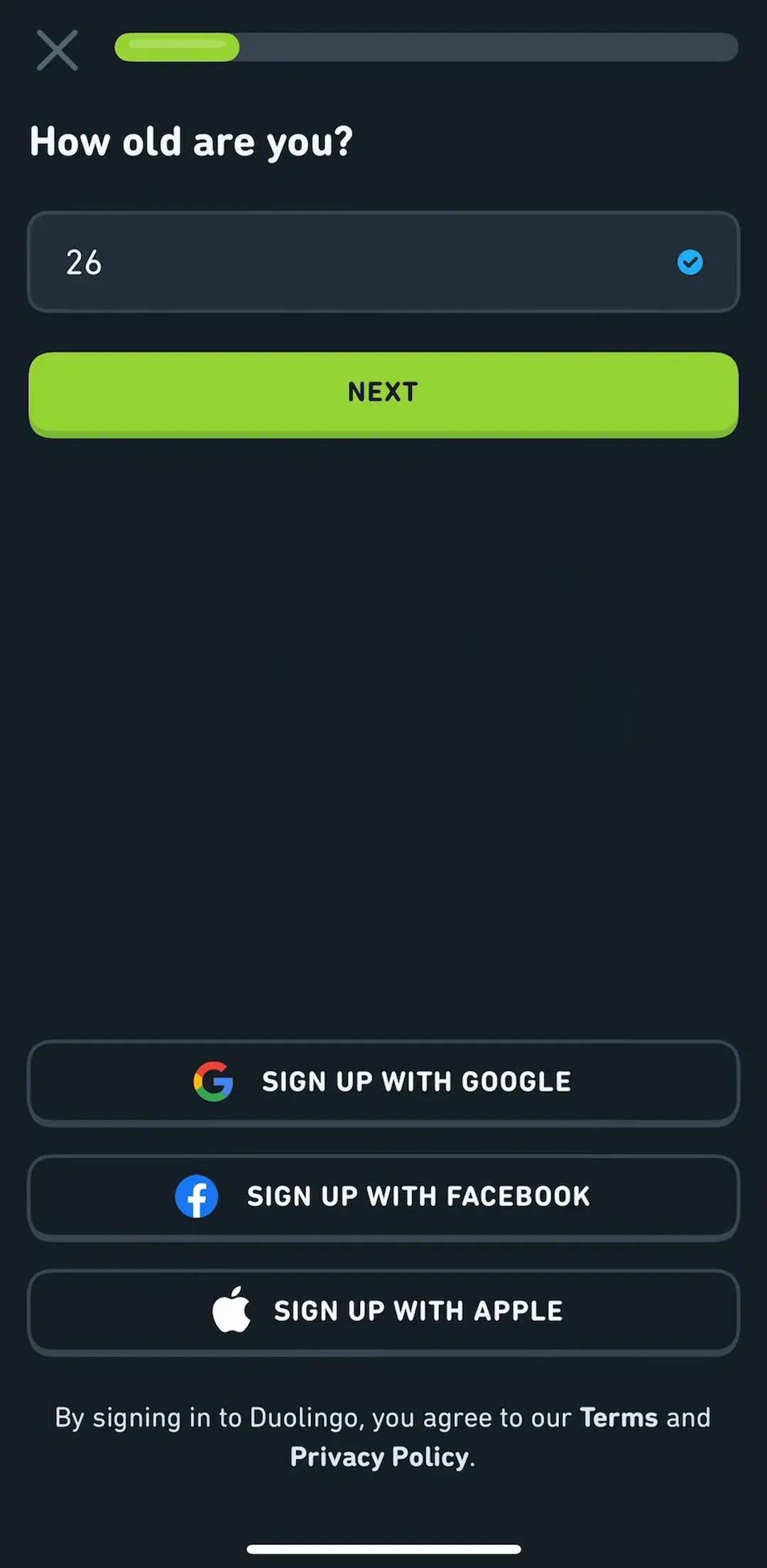
Duolingo (est. $48M/mo) turns a curriculum into a game board: streaks, leagues, a mascot with opinions. The visual language is loud on purpose, every color and animation is a lever on daily return rate. Its onboarding quiz and paywall handoff are the reference implementation for consumer subscription flows.
Airbnb treats listings like magazine spreads: enormous photography, generous whitespace, typography that never competes with the images. The search and filter system handles brutal complexity (dates, guests, price, type) without ever feeling like a form. The standard for marketplace design.
Calm (est. $2.75M/mo) sells a feeling, and the interface is the first dose of the product: dark gradients, slow motion, soundscapes on the home screen. Nothing is neutral; even the settings screens stay inside the mood. Compare it with Headspace (est. $2M/mo), which solves the same problem with warm illustration instead of atmosphere — two complete, opposite systems.
Notion Calendar proves mobile calendars do not have to feel cramped: a strict typographic grid, hairline rules, and color used only as data. It is the rare productivity app that reads as calm at full density. A masterclass in hierarchy without boxes.
Flo (est. $9M/mo) has to feel medical enough to trust and soft enough to open daily. It threads that with a disciplined pastel system, data visualization that reads at a glance, and one of the most carefully staged onboarding flows in health.
Finch (est. $1M/mo) wraps self-care tasks in caring for a bird. The illustration system carries the entire product: progress is your pet growing, streaks are its wellbeing. Proof that character-driven design is a durable moat, not a gimmick, and its gentle paywall placement is worth studying in our paywall gallery.
Cal AI (est. $1.75M/mo) is designed around a single camera action: photograph food, get calories. Every screen exists to get you back to the camera. The design lesson is subtraction — it grew into eight figures a year by refusing to become a full nutrition suite.
Daylio built a journaling app where a complete entry takes two taps: mood, activities, done. The icon-first visual system makes months of data scannable in seconds. When retention depends on a daily habit, interaction cost is the design metric that matters.
Fabulous stages its first run like a ritual: full-screen illustrations, letters addressed to you, sound design. It is the maximal counterpoint to ChatGPT’s minimalism, and its quiz-to-paywall funnel is one of the most deliberate in the store. Whether you love or hate the style, the intentionality is the lesson.
Opposite aesthetics, same discipline: each app picked one job for its design (motivate, calm, speed up, reassure) and spent its entire visual budget there. If you are choosing a direction for your own app, do not start from a trend list; start from apps in your category whose revenue you can verify, and reverse-engineer what their design is being paid to do. That is exactly what the library is built for.
A note on the numbers: revenue figures cited here are third-party monthly estimates from our library, useful for comparing magnitude, not audited financials.
Across the top-grossing charts, good design is less about visual novelty and more about clarity under constraint: one obvious action per screen, typography doing the hierarchy work, and flows (onboarding, paywall, permissions) engineered as carefully as individual screens.
Airbnb, ChatGPT, Duolingo, Calm, and Notion Calendar are consistent references. Each represents a different discipline: Airbnb for editorial layout, ChatGPT for restraint, Duolingo for gamified motivation, Calm for atmosphere, Notion Calendar for density done cleanly.
The mobileappdesign library has 193,000+ screenshots from 2,600+ revenue-verified iOS apps, organized by flow (onboarding, paywall, checkout) and filterable by category and revenue, so the inspiration comes from designs that demonstrably work.
193,000+ screens from revenue-verified iOS apps, organized by flow and filterable by category and revenue.
Explore the library